She’ll Be Waiting in Istanbul: Airports, SOHO House, and Manufactured Anxiety
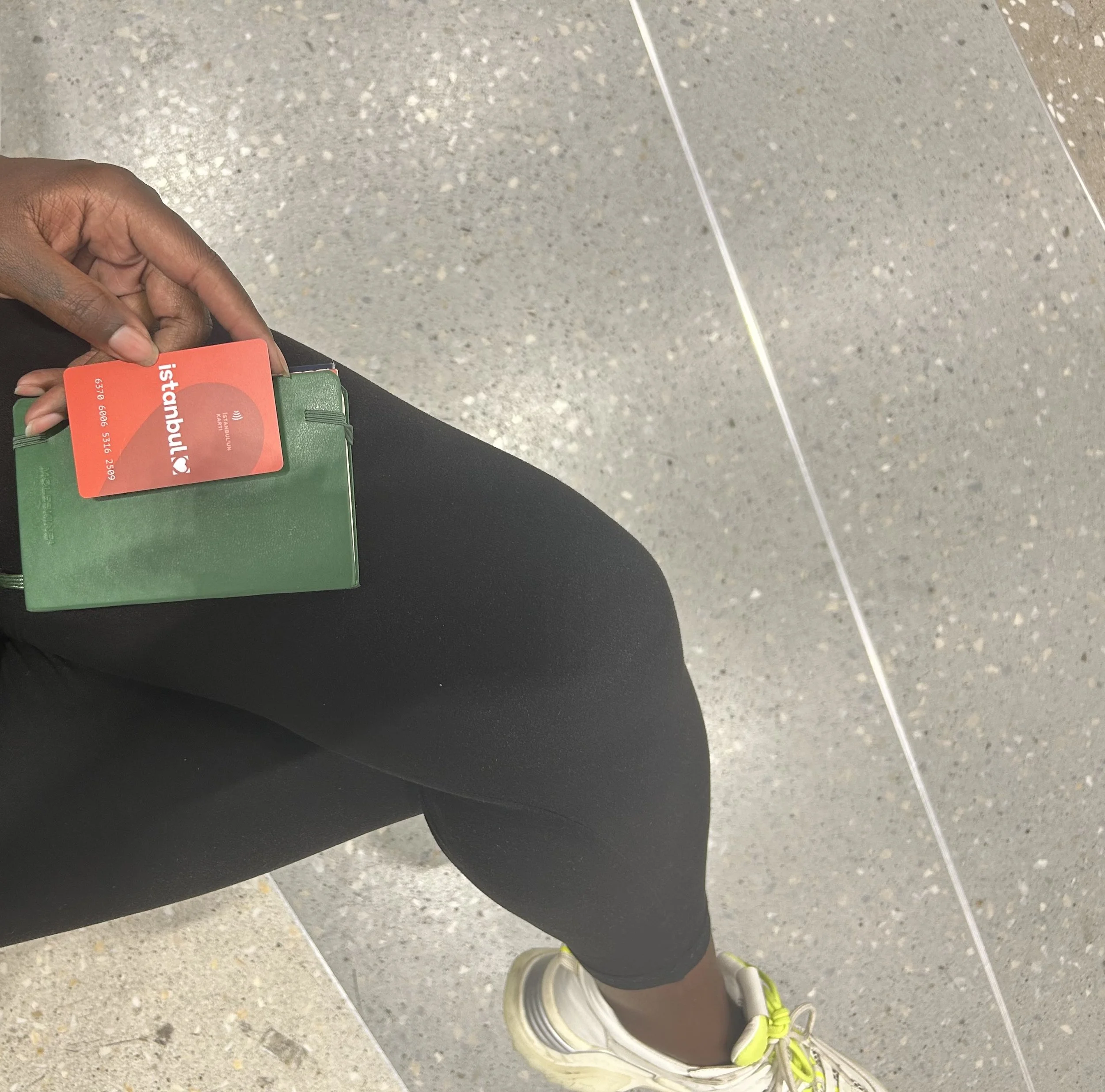
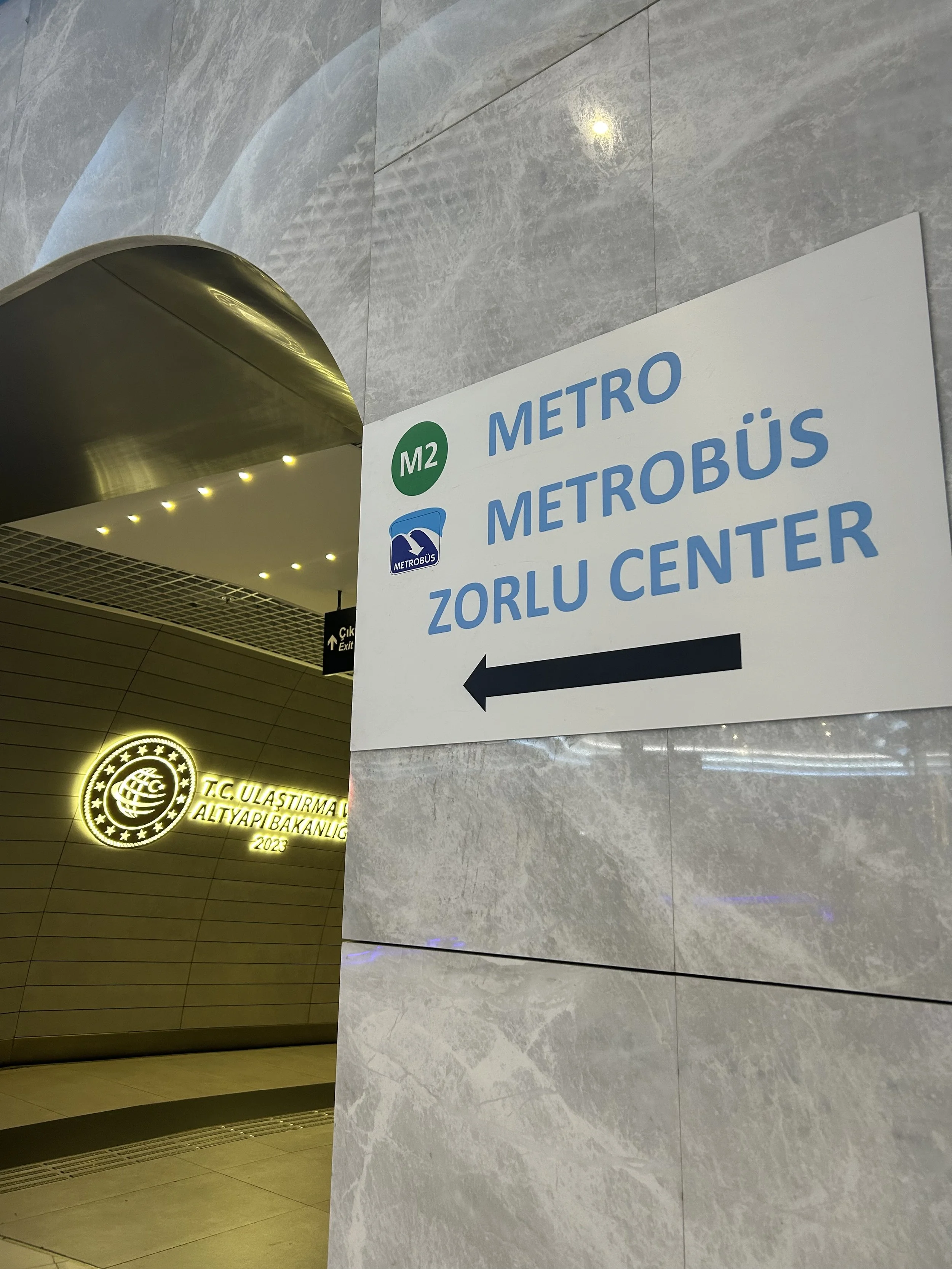
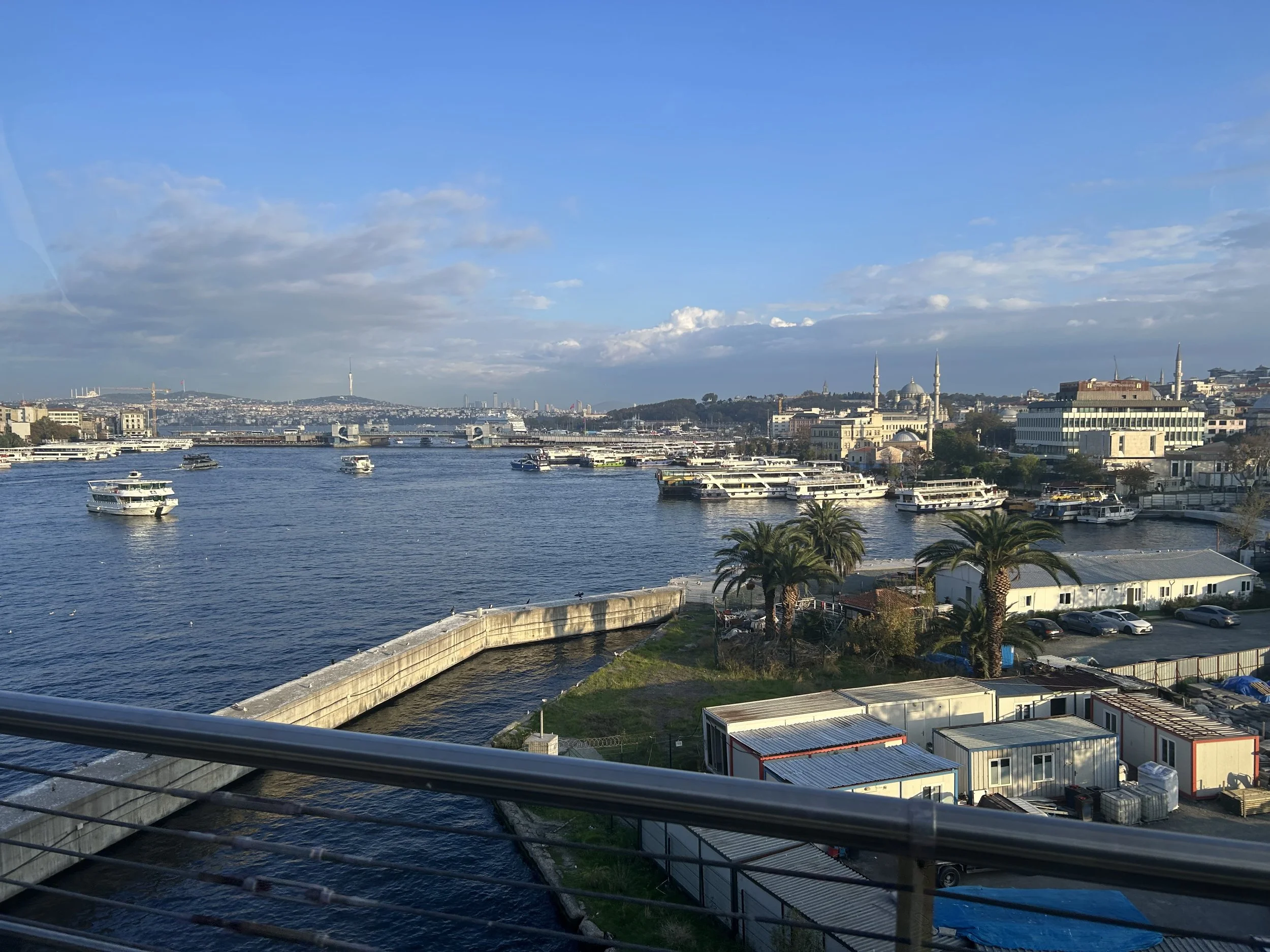
So I was in Istanbul recently.
And before I get into what I’d like to get into, I have to say this clearly:
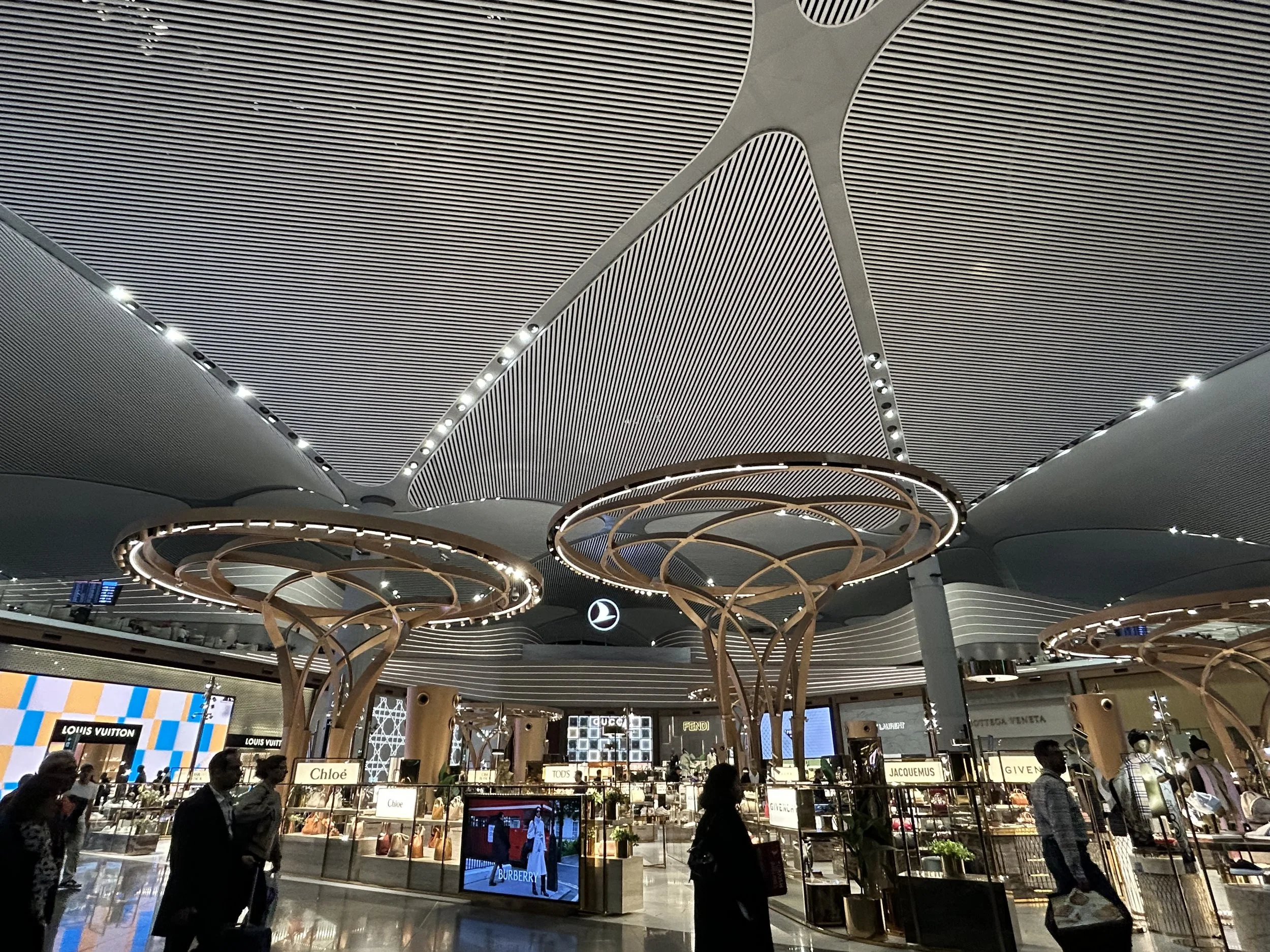
Coolest airport I’ve visited to date.
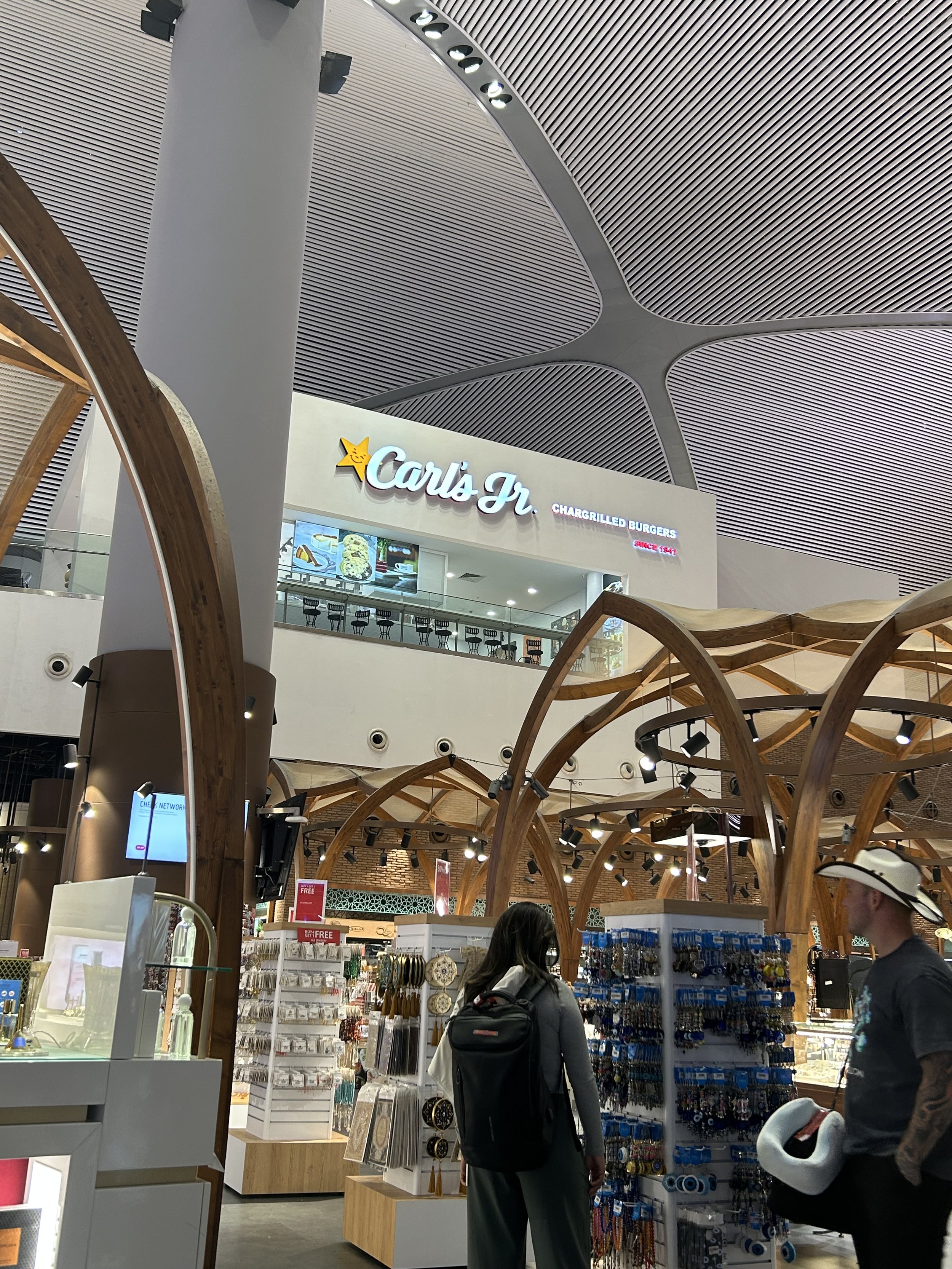
Luxury shopping. Beautiful interior. Architectural drama in the ceilings. And CARL’S JR.
I had no idea what time it was in my body when I arrived. Seven-hour difference. My brain somewhere over the Atlantic.
But I wasn’t disoriented.
I was calm.
I walked.
I looked.
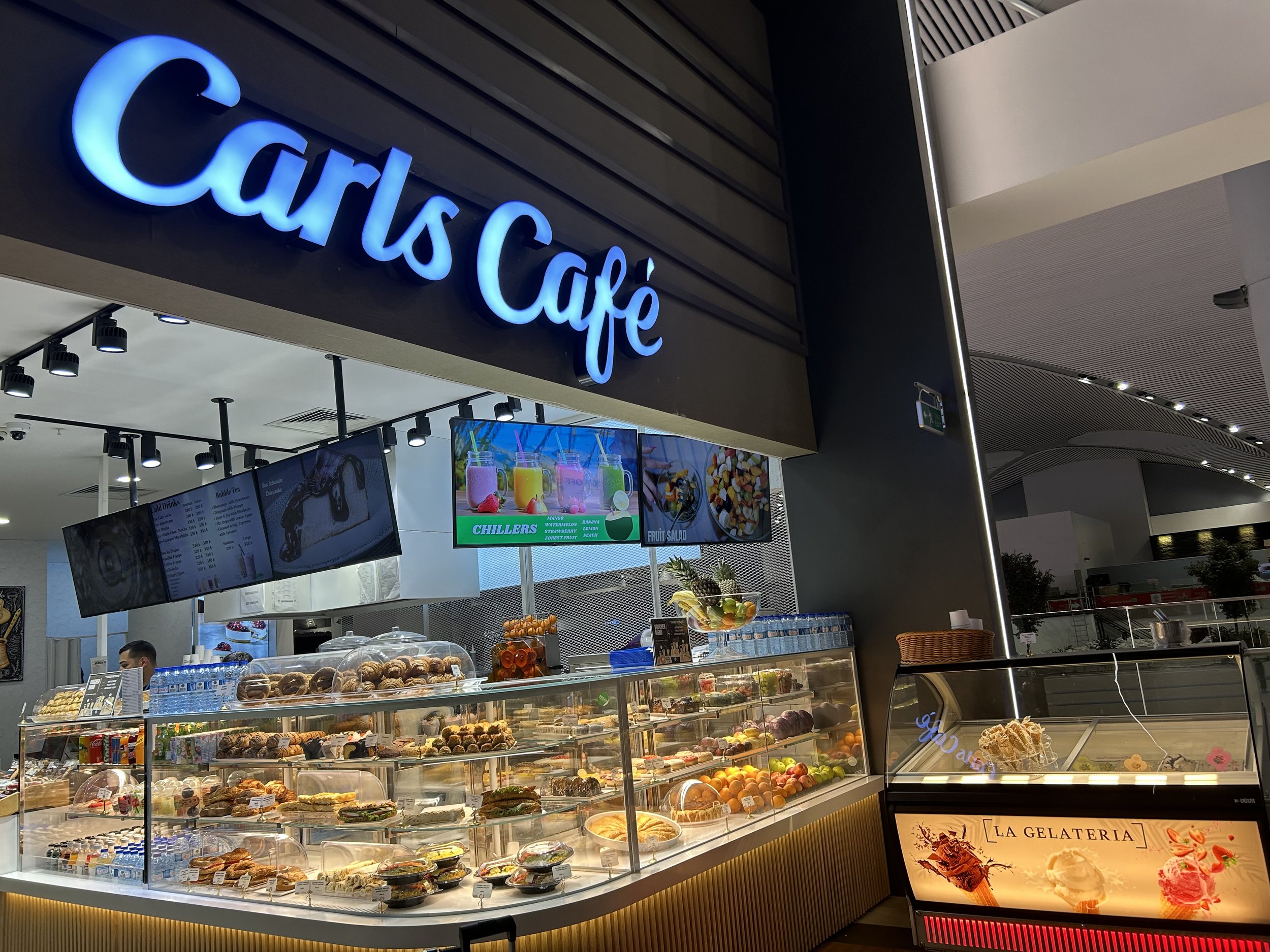
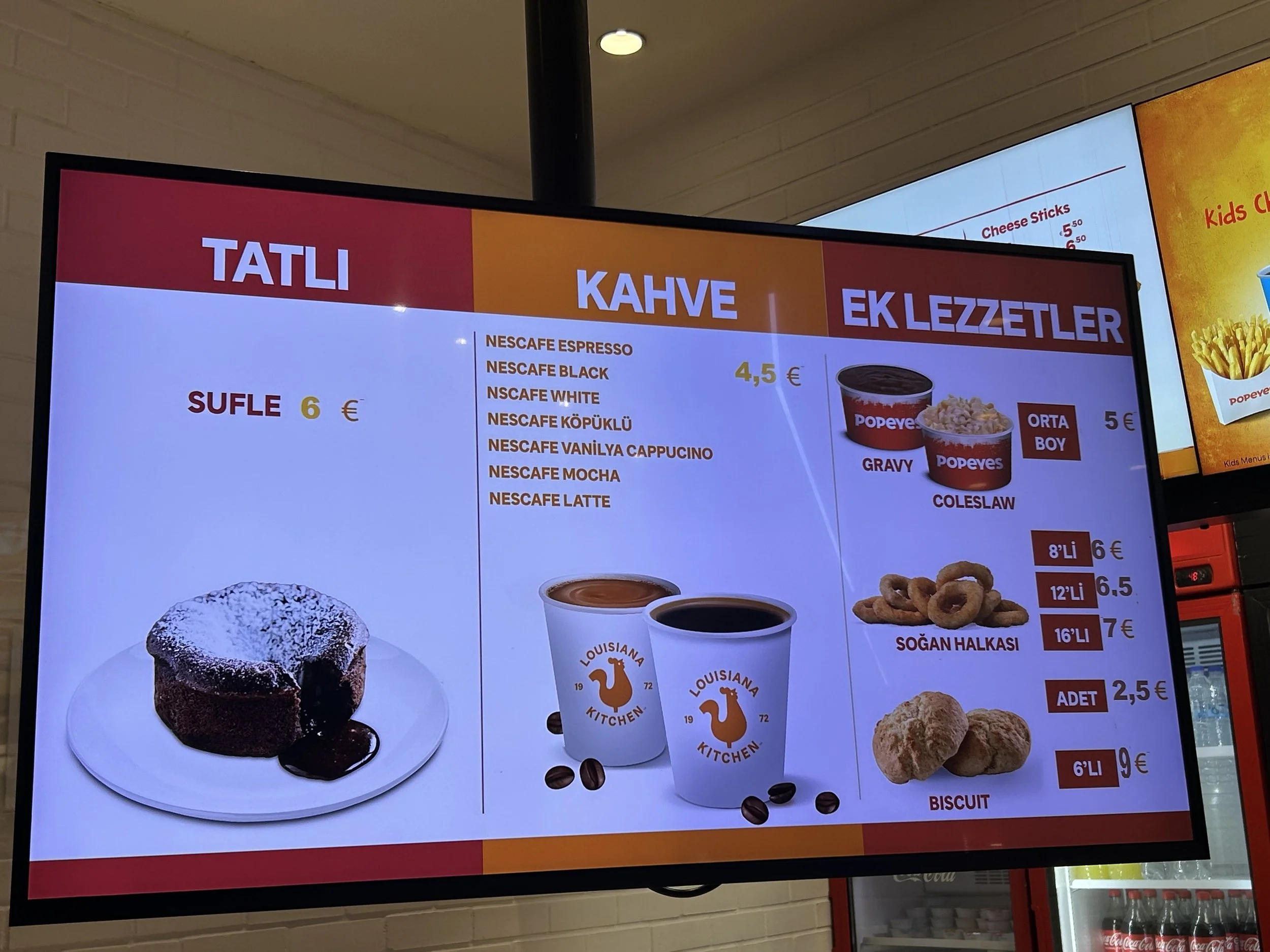
I wandered through Gucci and Louis like it was casual. Treated myself to Longchamp. Ate a soufflé from Turkish Popeyes because why not. Found Carl’s Café like I’d unlocked some elevated, pinky-up fast food universe.
I wasn’t stressed.
I wasn’t rushing.
I was soaking it in.
Texting my favorite people from another continent in real time, like of course this is where I am. Of course this is what I’m seeing.
The time change didn’t challenge me.
It made me feel expansive.
Like I move through the world well.
But when I headed through security, I braced.
Because I’ve internalized the choreography of American travel.
Shoes off.
Laptop out.
Liquids separated.
Water dumped.
Arms up.
Move.
Faster.
No, not there.
In American airports, security isn’t just procedural. It’s atmospheric.
The tone is sharp. Instructions are barked. The line moves in short, corrective bursts. People are scolded for hesitating, for asking questions, for standing in the wrong place for half a second too long.
Even when nothing is wrong, everything feels wrong.
You prepare to be corrected before you’re corrected.
You brace your body.
You triple-check your bag.
You empty the water bottle like you’re disposing of evidence.
It’s not just security.
It’s anticipatory guilt.
So I was ready for that in Istanbul.
Instead:
No one yelled.
No one rushed anyone.
No one acted like inconvenience was criminal.
I kept my shoes on.
My laptop stayed in my bag.
My water bottle remained full.
The agents spoke in normal tones. People moved calmly. There was no frantic stripping down of self.
It was secure. Thorough. Structured.
Just not hostile.
What startled me most was how quickly my nervous system adjusted.
My shoulders dropped.
My breath slowed.
I wasn’t performing compliance.
I was simply moving through a process.
And that mattered.
I spent hours feeling expansive, curious, capable. A world traveler in the most literal sense.
I didn’t have to shrink to pass through security.
It made something obvious.
American airports don’t just enforce safety.
They manufacture anxiety.
And that anxiety isn’t accidental.
In the U.S., security feels theatrical.
The repetition of commands.
The public corrections.
The visible authority.
The mild humiliation.
It produces a particular posture: obedient, hurried, slightly ashamed.
You are reminded that you are being watched. That you could be wrong. That someone else controls your movement.
It’s not that other countries lack security.
It’s that they don’t seem invested in dramatizing threat at the same volume.
That difference matters.
Because once fear becomes routine, people stop recognizing it as fear. It becomes baseline.
And baseline shapes culture.
For years, Soho House operated on a carefully managed sense of exclusivity.
Membership signaled taste. Access. Cultural positioning.
Historically, new members were capped at 30 years old. Youth was part of the brand, relevance controlled through age and aesthetic. Belonging wasn’t only about money. It was about fitting the curated image.
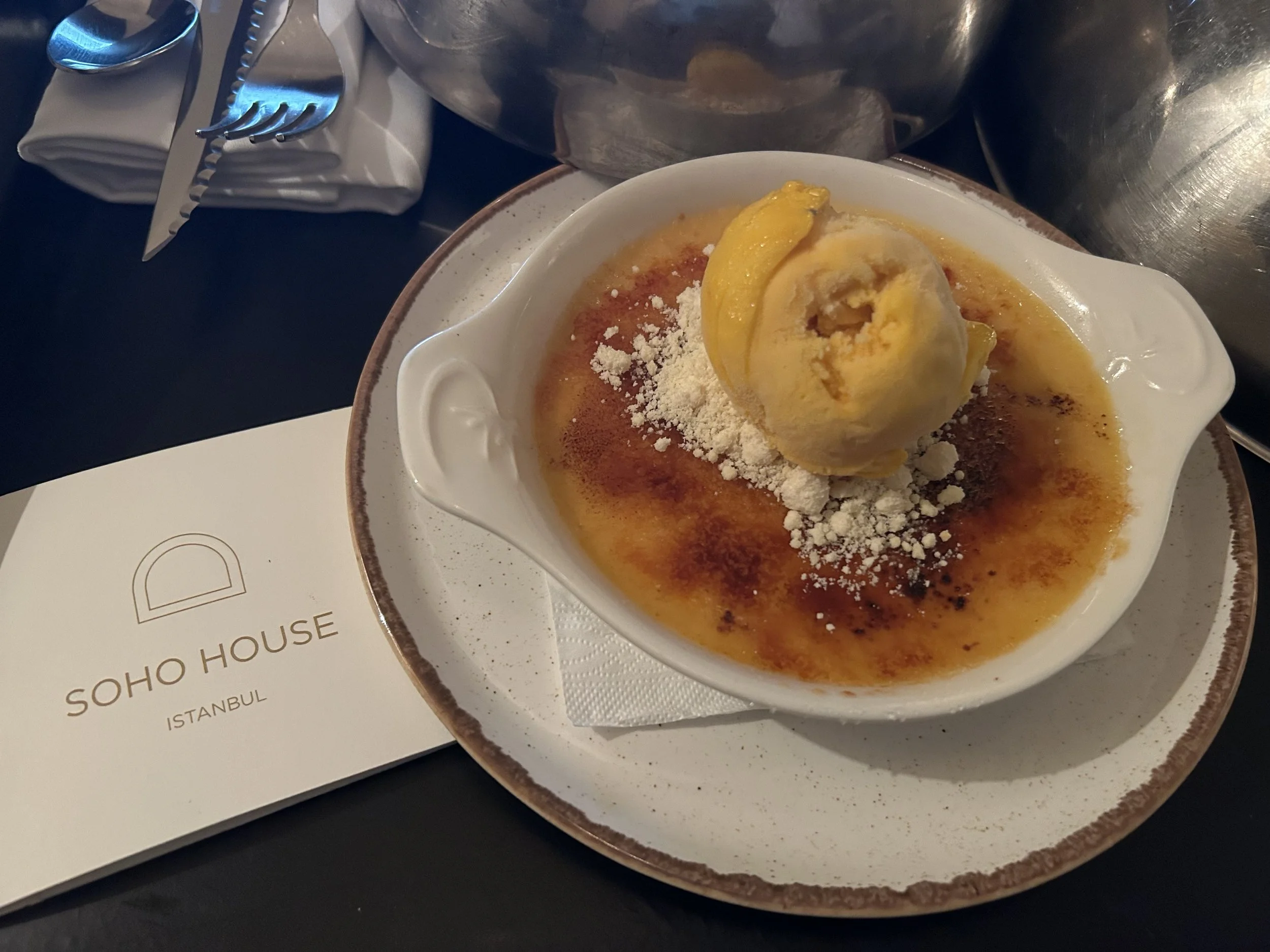
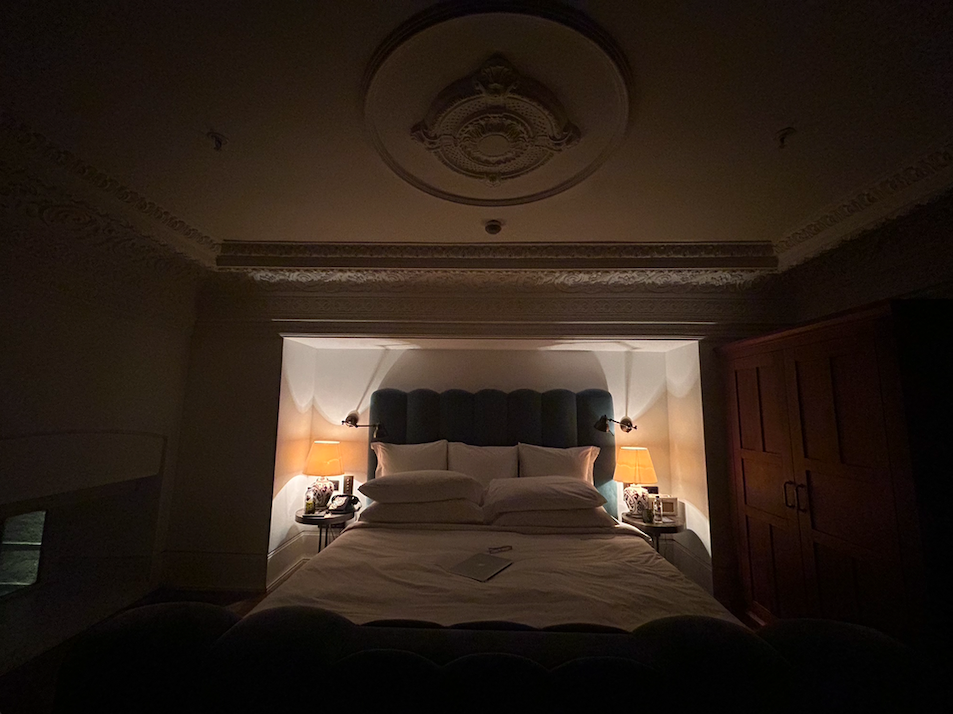
I stayed at Soho House Istanbul. I’ve spent time at Soho House Chicago, enough to know my order without looking at the menu.
The spaces are beautiful. The staff kind. The experience polished.
But the product was never just hospitality.
It was controlled access.
When exclusivity thins, when ticketed public events open up, people interpret that as decline. Not because the food worsens, but because mystique softens.
And mystique is sustained by limits.
The United States formalized its own membership rules early.
The 1790 Naturalization Act limited citizenship to “free white persons of good character.”
Belonging was codified.
Entry was racialized.
Character was discretionary.
Citizenship was curated.
Security and sorting have always been intertwined here.
From immigration quotas to redlining to border enforcement, the country has consistently invested in defining who moves easily and who must prove themselves.
Airports are simply a modern ritual of that older logic.
Who is presumed legitimate.
Who is scrutinized.
Who is corrected publicly.
Who glides through.
When exclusivity underpins identity, fear becomes useful. It justifies the gate.
When prestige weakens; economically, culturally, globally—anxiety rises.
Healthcare falters.
Infrastructure strains.
Mobility feels less guaranteed.
Instead of interrogating the model, people seek additional access points.
Second passports.
Citizenship-by-investment.
Birthing tourism.
Mobility becomes insurance.
But belonging without reciprocity is still extraction.
There’s a difference between entering a place and participating in it. Between securing status and submitting to mutual responsibility.
The instinct to secure more memberships, rather than rethink how membership works, mirrors the same anxiety visible in American security culture.
Control tightens when confidence erodes.
What stayed with me from Istanbul wasn’t efficiency.
It was the absence of hostility.
Security functioned without spectacle. Authority operated without humiliation.
And I moved through it without shrinking.
If fear can be reduced without compromising safety, then perhaps some of what we accept as necessary here is simply habitual.
And habits, especially national ones, are often just old memberships trying to protect their relevance.